1. What is a Private Parking Charge Notice?
A Private Parking Charge Notice is a private parking demand connected with an alleged breach of the terms at the private car park named on the notice. It should identify the vehicle, the managed location, the parking event and the reason Private Parking says the charge is due.
A private Parking Charge Notice is different from a council Penalty Charge Notice. Identify the issuer and exact document first so the appeal follows the operator's own process.
- The Parking Charge Notice reference and vehicle registration
- The parking-event date, recorded times and managed location
- The alleged breach and the amount demanded
- The response route and date stated by Private Parking
2. Check what Private Parking alleges
Read the alleged breach exactly as it appears on the Private Parking Charge Notice. A maximum-stay allegation, an unmatched payment and a missing permit or validation are different cases. Each requires different records.
Private Parking disputes commonly concern payment, permits, vehicle registration, maximum stays, signs, grace periods and authority to park. Compare the allegation with what happened during the actual visit before deciding whether to pay or appeal.
3. Check the Private Parking parking record
BPA operator rejections normally identify POPLA, while IPC operator correspondence may identify the IAS. The rejection letter controls the next route; the service does not guess from a generic operator list.
The operator, site type and alleged breach decide which evidence matters. A residential permit case needs a different response from a Private Parking ANPR payment case at a retail park.
- Compare the recorded entry, exit or observation times with the visit
- Check whether the vehicle registration matches the payment or validation record
- Identify the tariff, maximum stay, permit or customer rule Private Parking relies upon
- Keep anything showing that parking was paid, booked, permitted or validated
4. Evidence for a Private Parking appeal
The appeal should connect the Private Parking Charge Notice to evidence from the same parking event. For this operator, the most useful records may include the receipt, payment, permit, tenancy, booking, validation or site photograph.
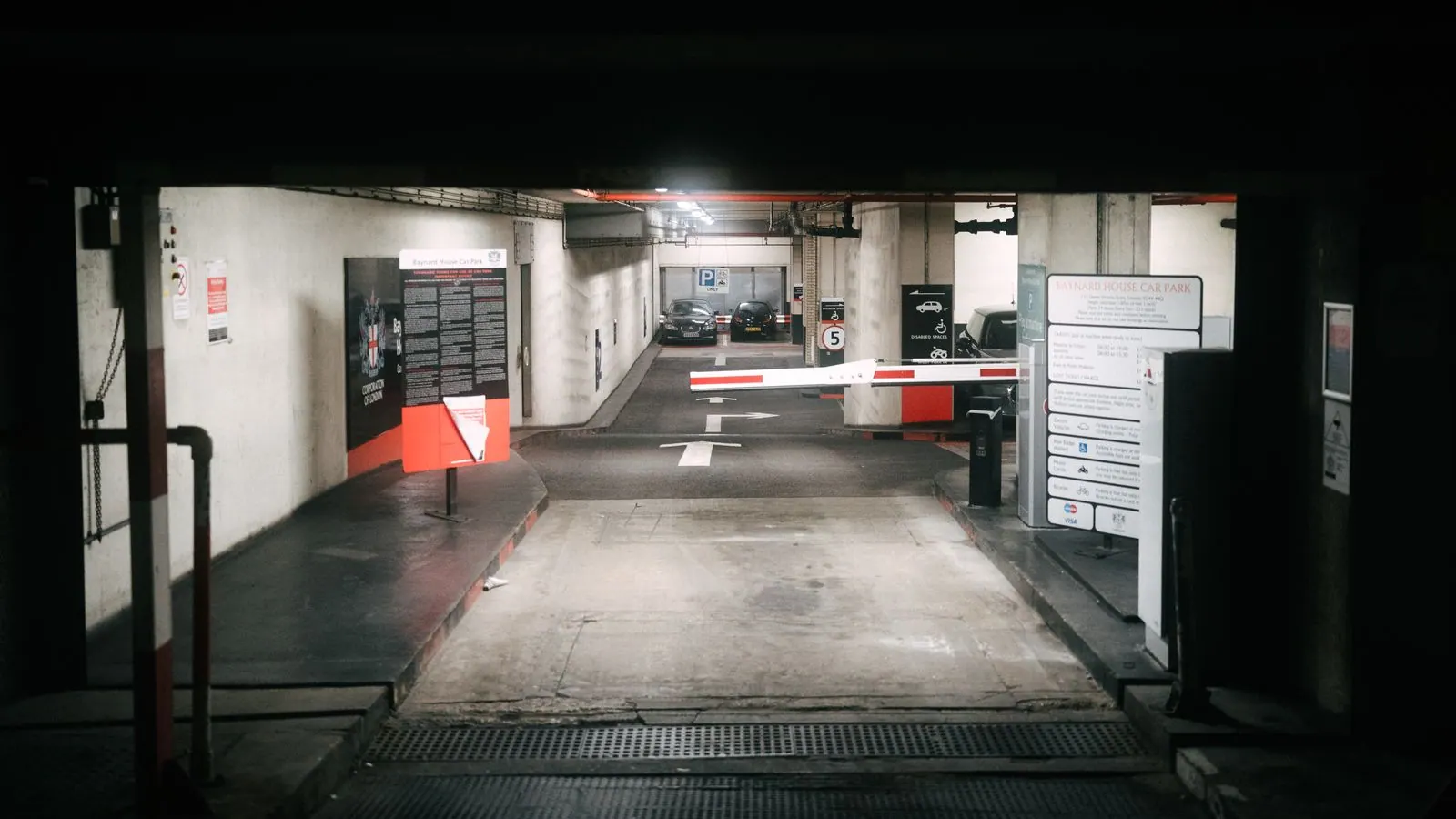
Photographs of the entrance, tariff board, payment instructions, bay or permit terms can also show what a motorist could see and follow at the private car park named on the notice.
- Your Private Parking Charge Notice
- receipt, payment, permit, tenancy, booking, validation or site photograph
- Photographs from the private car park named on the notice
- Private Parking acknowledgements, decisions or earlier correspondence
5. Identify the Private Parking appeal grounds
The appeal grounds come from the notice, the parking record, the displayed terms and the evidence. They do not come from a generic explanation. Parking Mate UK assesses those documents together and identifies the points that answer the allegation printed on the Private Parking Charge Notice.
The assessment considers whether Private Parking's record describes the visit accurately, whether the payment or permission evidence answers the allegation, and whether the notice and site information support the charge being demanded.
6. Parking Mate UK prepares the Private Parking Charge Appeal Letter
For £9.99, Parking Mate UK assesses the Private Parking Charge Notice and relevant evidence, prepares the case-specific Private Parking Charge Appeal Letter and submits it to Private Parking. The letter identifies the charge, answers the alleged breach and organises the evidence relied upon.
The appeal is managed through the same case on WhatsApp, so the Private Parking acknowledgement and decision can be added without starting again.
7. Keep the Private Parking appeal decision
Keep the submission confirmation and the complete Private Parking decision. If Private Parking accepts the appeal, retain the cancellation confirmation with the case record.
If Private Parking rejects the appeal and provides a POPLA or IAS route, share the Private Parking Appeal Rejection and its verification details. Parking Mate UK then prepares the POPLA or IAS Appeal included in the £9.99 appeal service.
8. If the Private Parking case has moved beyond appeal
Use the page matching the document received if the case is already at Reminder Notice, Debt Recovery Letter, Letter Before Claim or N1 Claim Form stage. Each page explains the document, the required response and the Parking Mate UK service available for that stage.
Do not treat a debt letter, Letter Before Claim and Court Claim as interchangeable. The named document determines the response Parking Mate UK prepares and the next action the motorist must take.
Prepare Private Parking Appeal
- Your Private Parking Charge Notice
- receipt, payment, permit, tenancy, booking, validation or site photograph
- Photographs of the private car park named on the notice and displayed terms
- Private Parking acknowledgements, decisions and later correspondence